
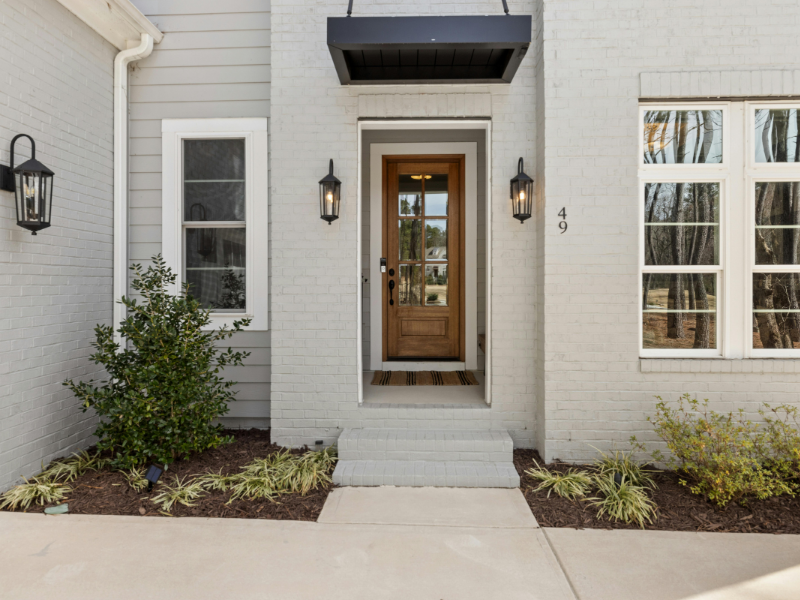
When it comes to exterior painting, the final result is only as good as the preparation beneath it. Proper surface preparation is what separates a long-lasting, professional finish from a paint job that quickly peels, cracks, or fades. While many homeowners focus on color choices and paint brands, experienced painters know that prep work is the most critical step in the entire process. Skipping or rushing this phase can lead to costly repairs and repainting far sooner than expected. We at L.W. Winslow Painting, Inc would like to offer some insight what all goes into proper surface preparation.
Thorough Inspection & Assessment
Every successful exterior painting project begins with a detailed inspection of the home’s surfaces. Professionals carefully examine siding, trim, and other exterior materials for signs of damage such as rot, cracks, mildew, or peeling paint. Identifying these issues early allows painters to address underlying problems rather than simply covering them up. This step ensures that the new paint adheres properly and performs as intended over time.
Cleaning the Surface Properly
Before any paint is applied, surfaces must be completely clean. Dirt, dust, mold, mildew, and chalky residue can all prevent paint from bonding effectively. Most professionals use pressure washing to remove contaminants and create a clean slate. In some cases, specialized cleaning solutions are applied to eliminate stubborn stains or biological growth. Allowing sufficient drying time after cleaning is equally important, as moisture can interfere with paint adhesion and lead to premature failure.
Scraping & Removing Old Paint
Loose, peeling, or flaking paint must be removed before applying a fresh coat. This is typically done through scraping, sanding, or using specialized tools to strip away compromised layers. Painting over damaged paint might seem like a shortcut, but it results in an uneven finish and reduces the lifespan of the new coating. Proper removal ensures a smooth and stable surface that allows the new paint to bond securely.
Repairing & Patching Imperfections
Once the surface is clean and free of loose paint, any imperfections need to be repaired. This includes filling cracks, sealing gaps, replacing damaged wood, and addressing holes or dents. Caulking is often used around windows, doors, and trim to prevent moisture intrusion and improve energy efficiency. Taking the time to fix these issues not only improves the appearance of the finished project but also protects the home from further structural damage.
Sanding for a Smooth Finish
Sanding is a crucial step that helps create an even surface and improves paint adhesion. It smooths out rough edges left behind from scraping and blends repaired areas with existing surfaces. A properly sanded exterior allows the paint to go on evenly, resulting in a more polished and professional look. This step is especially important for surfaces like wood, where texture variations can be more noticeable.
Priming for Maximum Adhesion
Primer acts as a bonding agent between the surface and the paint. It helps seal porous materials, block stains, and create a uniform base for the topcoat. Depending on the condition of the surface and the type of material, different primers may be used to achieve the best results. Skipping primer can lead to uneven color, poor coverage, and reduced durability, making it a vital part of proper preparation.
Why Preparation is Worth the Effort
Proper surface preparation is not just an extra step, it’s the backbone of a successful exterior painting project. From cleaning and repairs to sanding and priming, each stage plays a key role in ensuring a durable and attractive finish. While it may be tempting to cut corners, investing in thorough preparation ultimately saves time, money, and frustration. For homeowners seeking long-lasting results, trusting professionals who prioritize prep work is always the smartest choice. Contact L.W. Winslow Painting, Inc if you are considering an exterior painting project to ensure it is done efficiently for superior results.