
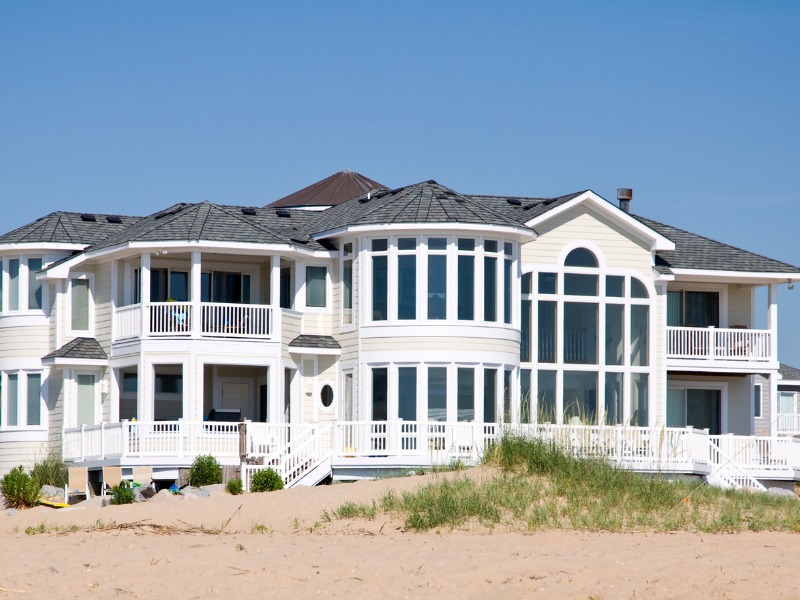
Living near the coast brings beauty, salt air, and constant exposure to elements that quietly wear down painted surfaces over time. Salt spray, moisture, ultraviolet rays, and shifting temperatures all contribute to the gradual breakdown of exterior coatings, especially on homes close to the shoreline. Professionals like L.W. Winslow Painting, Inc. often see firsthand how beach environments accelerate peeling, fading, and cracking in ways that inland properties rarely experience. This constant exposure creates a cycle of deterioration where paint loses its protective qualities faster, requiring more frequent maintenance and careful material selection for long term durability. Understanding this helps homeowners plan repainting schedules that better withstand coastal conditions over extended periods of time.
Salt & Moisture Penetration
One of the most damaging forces at the beach is salt carried through the air and deposited on painted surfaces. Once salt crystals form, they draw moisture into microscopic cracks in the paint film, expanding and weakening the coating over time. This process is especially aggressive in coastal winds where salt particles continuously settle on siding, trim, and outdoor structures. Regular washing and protective coatings can slow the damage but cannot completely stop long term exposure effects. Even high quality exterior paint systems eventually show signs of erosion near the ocean requiring ongoing surface care attention
UV Radiation & Paint Breakdown
Ultraviolet radiation from the sun is another major factor in coastal paint deterioration. UV rays break down the chemical bonds in paint, causing colors to fade and surfaces to become brittle. This effect is intensified near the ocean where sunlight reflects off water and increases exposure levels on exterior walls. Paint that once looked vibrant can quickly lose its gloss and begin chalking under constant sunlight exposure. Using UV resistant coatings helps extend the life of exterior paint in beach environments but regular maintenance is still essential to preserve long term appearance and protection integrity
Moisture, Humidity & Structural Wear
Coastal humidity creates a constant cycle of moisture buildup on painted surfaces. This moisture penetrates small imperfections in paint, leading to swelling, blistering, and eventual peeling. Wood, stucco, and metal surfaces each respond differently, but all are vulnerable to prolonged damp conditions. When paint fails, moisture can reach underlying materials and accelerate structural deterioration beneath the surface layer. Proper sealing, priming, and routine inspections are key strategies for reducing moisture related damage in coastal homes. These practices help maintain paint integrity and extend the lifespan of exterior finishes exposed to harsh beach environments overall protection
Protecting Coastal Paint for the Long Term
Coastal homes require ongoing care because the environment continuously challenges even the best paint systems. From salt and moisture to sun exposure, every element contributes to gradual wear and fading. Choosing high quality materials and applying them correctly can significantly reduce the rate of deterioration over time. L.W. Winslow Painting, Inc. recommends professional inspections and maintenance schedules tailored specifically to coastal exposure conditions. Without proper upkeep, paint failure can lead to costly repairs and reduced property value in beachside communities. To protect your home and extend the life of exterior paint, schedule regular evaluations, invest in protective coatings, and work with experienced professionals who understand coastal conditions for lasting beauty and durability over time today now. Call us today!